Accident Types
Scissor Lift and Boom Lift Accidents: Falls and Tip-Overs on Site
Aerial lift tip-overs and electrocution from power lines are leading causes of construction fatalities in Illinois. Learn about OSHA rules and your legal options.
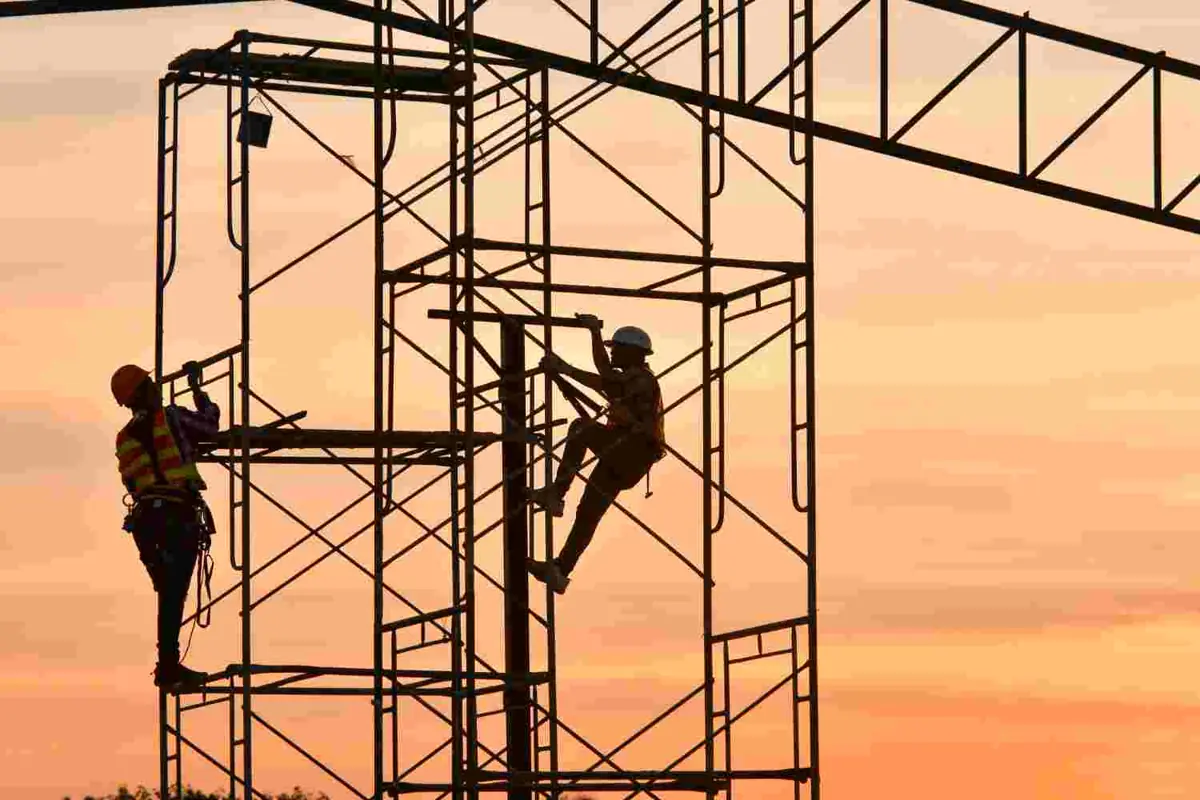
Different construction accidents create different legal issues. Falls, trench collapses, crane failures, electrocutions, scaffolding incidents, struck-by events, and machinery accidents often require different evidence, different safety analysis, and different liability review. This page organizes the major accident types that injure Illinois construction workers and connects you to the most useful supporting articles on each issue.
Why Accident Type Matters
A trench collapse case may turn on excavation rules and protective systems. A crane accident may involve operator error, equipment maintenance, subcontractor coordination, and site planning. A fall case may focus on missing guardrails, harness failures, or unsafe ladder setup. When the mechanism of injury is understood early, it becomes easier to identify responsible parties, preserve evidence, and connect the worker to the right compensation path.
Two questions get answered in every Illinois construction accident case, and they run on separate tracks. The first is whether the injured worker is entitled to workers’ compensation benefits from their direct employer, which under 820 ILCS 305 is a no-fault system: benefits are owed whether or not anyone was careless. The second is whether someone other than the employer helped cause the accident, because that opens a civil claim for damages workers’ compensation does not reach, including pain and suffering and the full value of lost earnings rather than a statutory fraction.
How the accident happened is what determines whether that second question has an answer. A fall through an unguarded floor opening points at whoever was responsible for covering it. A trench collapse points at the excavation plan and whether a protective system was in place. A crane failure points at maintenance records, the rigging, the lift plan, and the signalperson. A machine that started while someone was inside it points at lockout/tagout procedure and which contractor was supposed to enforce it. The mechanism is not a detail. It is the map of who might be liable.
That is also why the accident type changes what evidence matters and how quickly it disappears. Construction sites are built to change. Scaffolding comes down, trenches get backfilled, damaged equipment is repaired or scrapped, and temporary protections are removed at the end of a phase. Photographs, the equipment itself, daily site logs, toolbox talk records, and the identity of every subcontractor working in the area are worth far more in the first weeks than they are six months later.
The workers’ compensation claim and any civil claim carry different deadlines and run on different rules, so both should be assessed from the start rather than one at a time. The deadlines guide sets out every clock that can apply.
This hub is part of our complete guide: Construction Accident Lawyer Illinois.
How it works
The consultation is free, and you pay nothing unless we recover for you.
We listen to what happened, with no script and no pressure.
We explain your options under Illinois law: workers' compensation, a third-party claim, or both, and what to preserve before it disappears.
We pursue the benefits and damages the evidence supports, and we are ready to try the case if it does not settle.
You pay nothing upfront, and nothing at all unless we win your case.
Aerial lift tip-overs and electrocution from power lines are leading causes of construction fatalities in Illinois. Learn about OSHA rules and your legal options.
Forklift and telehandler accidents on Illinois construction sites can support both workers’ comp and third-party claims. Learn which parties may be liable under OSHA standards.

Free case review
The consultation is free. There's no fee unless we win. Every day you wait is a day evidence can disappear.